Signs Wildlife Has Moved Into Your Attic, Walls, or Crawl Space
If signs wildlife has moved into your attic, walls, or crawl space, local service providers can identify the intrusion and safely remove the animals.
Discovering signs that wildlife has moved into your attic, walls, or crawl space can be concerning for property owners. Common indicators include strange noises at night, the presence of droppings, or unusual odors emanating from hidden areas of the home. Recognizing these early warning signs is important because wildlife can cause damage to insulation, wiring, and structural components, potentially leading to costly repairs if left unaddressed. For those in the area, understanding these signs can help prevent larger issues and protect the integrity of the property.
Thankfully, local contractors specializing in wildlife removal are equipped to handle these situations safely and effectively. They can assess your property for signs of intrusion, identify the species involved, and implement humane removal strategies. If you suspect wildlife has taken up residence in your home, reaching out to experienced service providers ensures the problem is managed properly, giving peace of mind and helping to restore a safe, animal-free environment. Keep reading to learn more about how to spot these signs and what steps to take next.
- Attic wildlife intrusion - when signs wildlife has moved into your attic, local contractors can identify entry points and safely remove animals.
- Wall cavity activity - if you notice scratching or droppings inside walls, service providers can assess and eliminate the wildlife causing the issue.
- Crawl space disturbances - signs wildlife has moved into your crawl space prompt local experts to perform humane removal and seal entry points.
- Unusual noises at night - hearing sounds in your walls or attic often indicates animal presence, and local pros can handle the removal process.
- Droppings and damage - spotting droppings or chewed materials suggests wildlife has moved into your space, with local contractors providing safe removal solutions.
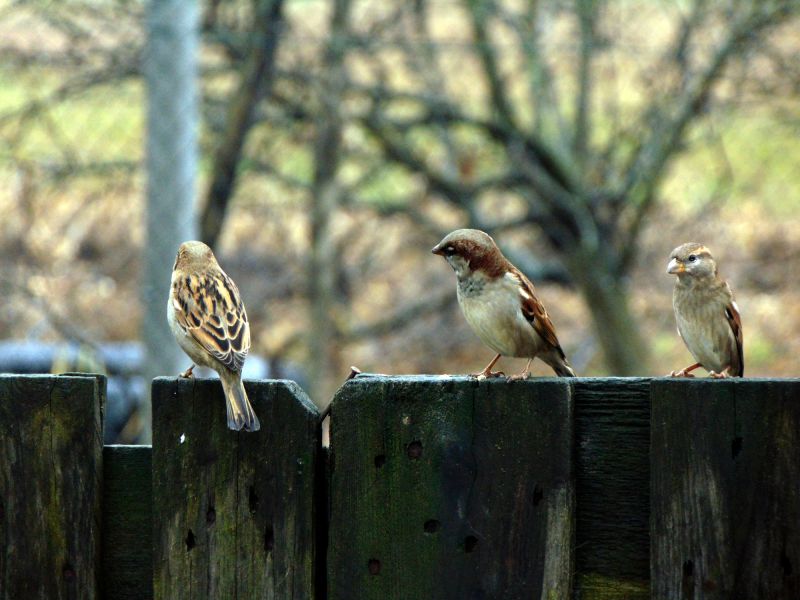
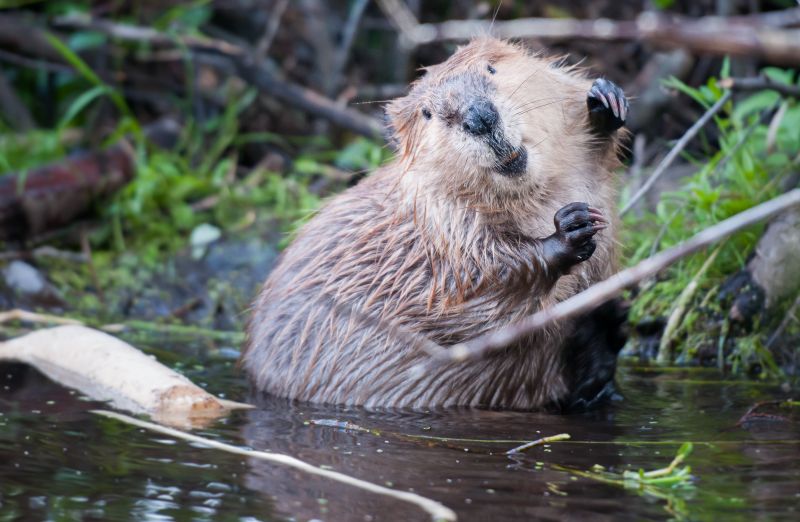
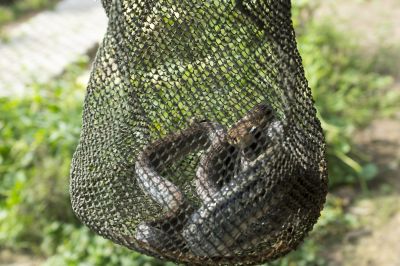
When homeowners notice unusual activity or damage in hidden parts of their property, they often search for signs wildlife has moved into their attic, walls, or crawl space. This concern typically arises after discovering scratching sounds, strange odors, or droppings in areas that are hard to access. People may also see signs like chewed wires, insulation disturbances, or even glimpses of animals at entry points. Recognizing these signs early is important because wildlife such as raccoons, squirrels, bats, or rodents can cause significant property damage and create health risks. Understanding what to look for helps homeowners determine whether wildlife has taken up residence and if professional removal is needed.
The presence of wildlife in these concealed parts of a property often relates to problems like property damage, insulation contamination, or pest control plans. Animals that enter attics, walls, or crawl spaces can chew wiring, leading to potential fire hazards, or damage insulation, reducing energy efficiency. Droppings and nesting materials can also lead to unpleasant odors and health concerns from parasites or bacteria. Many property owners seek wildlife removal services when they realize animals have made these spaces their habitat, especially if they notice signs like scratching sounds at night or a sudden increase in pests. Addressing these issues promptly can prevent further damage and ensure the property remains safe and comfortable.
Properties most commonly affected by wildlife in these hidden areas tend to be older homes with accessible entry points or those with gaps around roof vents, soffits, or foundation openings. Attics are often targeted because they provide a safe, elevated space for animals to nest and rest. Walls and crawl spaces are also vulnerable, especially when structural damage or poor insulation creates easy access. Residential homes are the most common type of property impacted, but wildlife can also invade commercial buildings, barns, or sheds. Homeowners in suburban or rural areas may see more frequent activity due to the proximity to natural habitats. Recognizing the type of property and its vulnerabilities can help determine the best approach for wildlife removal and prevention.
When signs of wildlife in attic, walls, or crawl space are identified, it’s important to involve experienced service providers who specialize in humane removal and property exclusion. Local wildlife removal pros can assess the situation, identify entry points, and implement effective strategies to remove animals without causing harm. They also provide advice on sealing entry points to prevent future invasions, which is crucial for long-term property protection. Homeowners should avoid attempting DIY removal, as improper techniques can lead to animal injury or property damage. Connecting with local pros ensures that the problem is handled efficiently, safely, and in a way that minimizes disruption to the household. Proper professional intervention is a key step in restoring safety and peace of mind.
Attic insulation installation - proper insulation can prevent wildlife from nesting in your attic, and local contractors skilled in insulation often handle wildlife exclusion measures.
Home sealing and weatherproofing - sealing gaps and cracks in walls and attics is essential to prevent wildlife entry, with local service providers experienced in building envelope repairs.
Pest proofing services - wildlife often enters through openings that also attract other pests; local pros can identify and secure these entry points effectively.
Structural repair and reinforcement - damaged or weakened areas in walls or attics may invite wildlife; local contractors can perform repairs to eliminate vulnerabilities.
Attic cleanup and debris removal - after wildlife removal, cleanup of nesting materials and debris is necessary, with local specialists equipped for safe disposal.
Vermin trapping and exclusion - trapping wildlife and installing exclusion devices are common services offered by local contractors to prevent re-entry into your home.
When evaluating wildlife removal services, it’s important to consider the experience of local contractors with similar projects. A provider who has handled wildlife infestations in attics, walls, or crawl spaces is more likely to understand the nuances of identifying the specific species involved and implementing effective removal strategies. Experience can also indicate familiarity with the common signs wildlife leaves behind, such as droppings, chewed wiring, or nesting materials, which helps ensure a thorough and targeted approach to resolving the problem.
Clear written expectations are essential when comparing service providers. Homeowners should seek detailed descriptions of what the removal process entails, including steps for humane wildlife exclusion, cleanup, and prevention measures. Transparent communication about the scope of work helps prevent misunderstandings and ensures that both parties have aligned expectations. Reputable local contractors typically provide comprehensive information about their procedures, allowing homeowners to make informed decisions based on the services offered and the level of professionalism demonstrated.
Reputable references and good communication are key indicators of a reliable wildlife removal service. Service providers who can provide references from previous clients or examples of completed projects demonstrate a history of successful work. Additionally, responsive and clear communication during initial inquiries can reveal how well a contractor understands the homeowner’s concerns and whether they are attentive to detail. These qualities contribute to a smoother process, making it easier for homeowners to feel confident that the wildlife issue will be addressed effectively and responsibly.
Property owners often search for signs wildlife has moved into your attic, walls, or crawl space when they are planning practical projects around their homes and businesses. Local pros provide Wildlife Removal services for everyday jobs and straightforward project options.
Recognizing signs wildlife has moved into your attic, walls, or crawl space is an important step in maintaining a safe and comfortable home environment. Common indicators include strange noises such as scratching, scurrying, or squeaking sounds, especially during nighttime hours. You might also notice unusual odors, droppings, or nests in hidden areas that suggest animals have taken up residence inside your property. Property owners often look into these signs when they suspect pests are living in hard-to-reach places, prompting them to seek help from local contractors experienced in wildlife removal.
When signs point to wildlife inhabiting your home, connecting with experienced service providers can help resolve the situation effectively. Local contractors are equipped to identify the species involved and safely remove animals from attics, walls, or crawl spaces. They can also help implement measures to prevent future intrusions, giving property owners peace of mind. Recognizing these early warning signs and consulting with local experts ensures that wildlife issues are addressed promptly and responsibly.
What are common signs wildlife has moved into my attic, walls, or crawl space? You may notice scratching sounds, droppings, or a strong odor indicating wildlife presence in these areas.
How can I tell if animals are active inside my walls or attic? Visible damage such as chewed insulation, nesting materials, or holes can suggest animals have moved in.
Are there specific signs that indicate wildlife is causing damage? Yes, signs include gnawed wiring, damaged insulation, or new holes that animals may have created to access your property.
What should I do if I suspect wildlife has taken up residence in my home? It’s recommended to contact local contractors experienced in wildlife removal to assess and handle the situation safely.
Can wildlife in my home pose health risks? Yes, droppings and nesting materials can carry diseases, making professional removal services important for safety and sanitation.
Identify entry points - inspecting your property for small holes or gaps can help pinpoint where wildlife may have gained access, allowing local contractors to seal these openings effectively.
Monitor noise and activity - noting sounds or movement in your attic, walls, or crawl space can assist service providers in locating active wildlife nests or dens.
Check for droppings and damage - observing droppings, chewed materials, or nesting debris can guide wildlife removal specialists in assessing the extent of the intrusion.
Assess structural damage - recognizing signs of chewed wiring or insulation issues can help local contractors plan targeted removal and repair efforts.
If you are thinking about signs wildlife has moved into your attic, walls, or crawl space for a property, this guide is meant to help you understand this topic, the typical project types, and how different options might fit your plans.
When you are ready, you can use the quote form on this page to share a few details about your project. From there, local pros can review the basics and follow up with options that match what you have in mind.