Common Small Animal Problems in Commercial and Industrial Properties
For common small animal problems in commercial and industrial properties, local service providers can efficiently handle removal and prevention to protect your space.
Property owners in commercial and industrial settings often face the challenge of dealing with common small animal problems that can impact the integrity and safety of their buildings. Whether it’s rodents nesting in hidden corners or birds finding ways to access rooftops and vents, these issues are more than just nuisances-they can lead to costly damage and health concerns if not addressed promptly. Exploring solutions and understanding how local service providers handle small animal removal can help maintain a secure and well-maintained property environment.
For those managing commercial or industrial properties, staying ahead of small animal problems is essential for smooth operations. Local contractors specializing in small animal removal offer practical expertise in identifying entry points, implementing humane removal methods, and helping prevent future issues. Keep reading to learn more about common small animal challenges in these properties and how experienced professionals can assist in keeping them under control.
- Bird Control - when birds nest in building eaves or vents, local contractors can implement humane removal and deterrent solutions to prevent future infestations.
- Rodent Exclusion - signs of rodent activity, such as droppings or gnaw marks, prompt service providers to seal entry points and remove nests in commercial spaces.
- Bat Removal - if bats are roosting in attic spaces or wall cavities, experienced pros can safely and effectively exclude them from the property.
- Squirrel Removal - when squirrels invade rooftop areas or wall voids, local specialists can humanely remove them and secure the property against re-entry.
- Skunk and Raccoon Control - sightings near loading docks or storage areas often lead service providers to trap and relocate these animals, ensuring property safety and sanitation.
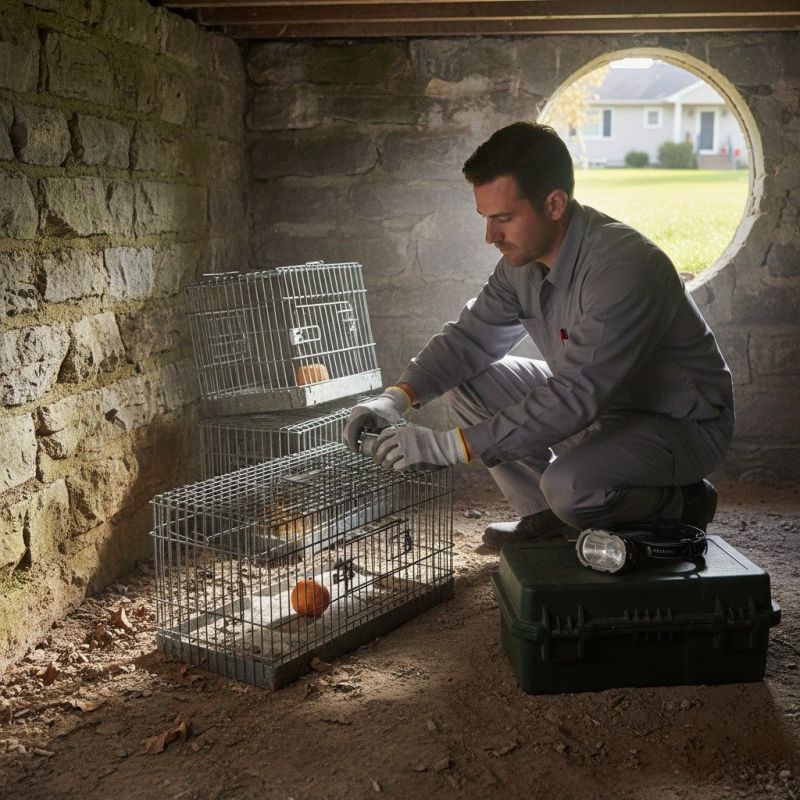
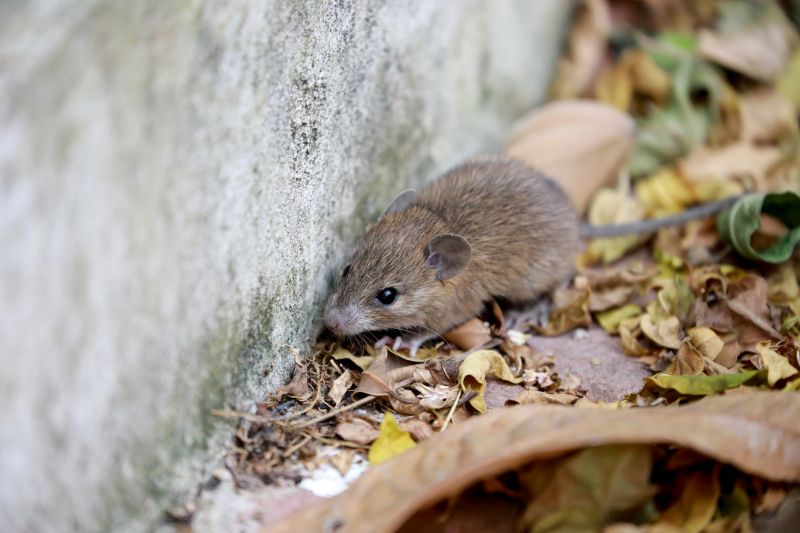
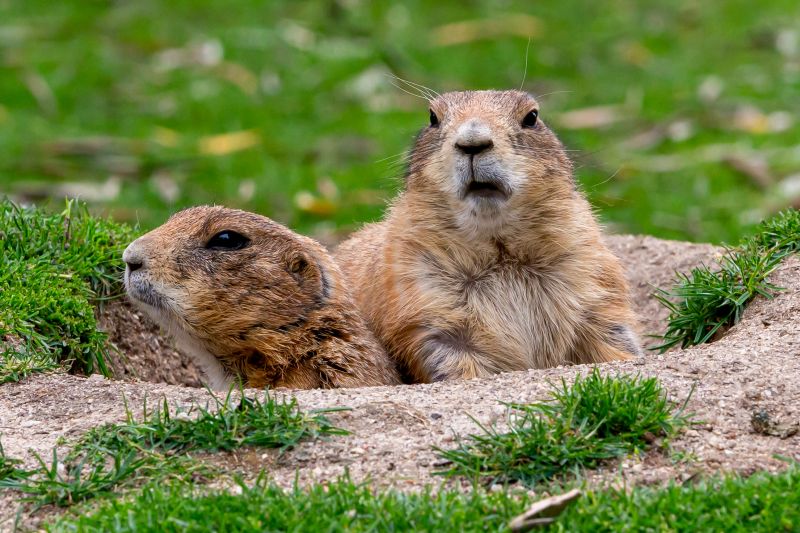
When people search for information on common small animal problems in commercial and industrial properties, they are usually concerned about the presence of pests such as rodents, birds, or other wildlife that can cause damage or health issues. These searches often stem from noticing signs like droppings, strange noises, or damage to building structures. Business owners and property managers want to understand how these animals might be affecting their operations, safety, or property value, and they seek practical solutions to address these issues efficiently. The focus is on identifying the types of animals that commonly invade such properties and learning about the best ways to prevent or resolve these problems.
The problems associated with small animals in commercial and industrial settings typically involve damage to structures, contamination risks, and disruptions to daily operations. For example, rodents can gnaw through wiring or insulation, leading to costly repairs or fire hazards. Birds may create nests in vents or on rooftops, causing blockages or corrosion. Small animals can also introduce parasites or bacteria, posing health risks to employees and customers. Property owners often plan to implement exclusion measures, such as sealing entry points, or seek removal services to eliminate these pests and prevent future incursions. Understanding these common problems helps businesses develop effective strategies to protect their assets and maintain a safe environment.
The types of properties that frequently encounter small animal problems include warehouses, manufacturing plants, office buildings, retail stores, and industrial complexes. These properties often have large, accessible roof areas, open loading docks, or storage spaces that attract wildlife seeking shelter or food sources. Structures with gaps, vents, or poorly sealed openings are especially vulnerable to animal entry. Additionally, properties located near green spaces, water sources, or food storage areas tend to experience higher incidences of wildlife intrusion. Recognizing the typical property features that attract small animals can help owners and managers prioritize preventative measures and understand how local service providers can assist in addressing these issues effectively.
For property owners dealing with small animal problems, engaging with experienced local contractors is essential to resolving these issues safely and thoroughly. These service providers specialize in humane removal and exclusion techniques that prevent animals from re-entering the property. They can assess the specific conditions of a commercial or industrial site, identify entry points, and implement tailored solutions to address the root causes of infestations. By working with local pros, property managers can ensure that small animal problems are handled efficiently, reducing the risk of damage or health concerns. Understanding the common issues and how professional removal services fit into the process helps owners protect their investments and maintain a secure, animal-free environment.
Wildlife exclusion projects involve sealing entry points and installing barriers, skills that are essential for addressing small animal problems in commercial and industrial properties.
Pest proofing services focus on preventing animal intrusions by identifying vulnerabilities, which aligns with the strategies used in small animal removal efforts.
Building inspection and assessment projects help identify structural weaknesses and entry points that small animals exploit, making these services relevant for property protection.
Rodent control programs involve trapping and exclusion techniques that are similar to those used in small animal removal for commercial spaces.
Structural repair and sealing projects aim to close gaps and reinforce building integrity, supporting efforts to prevent small animal infestations.
Habitat modification services involve altering the environment to make it less attractive to small animals, complementing removal and prevention initiatives in commercial settings.
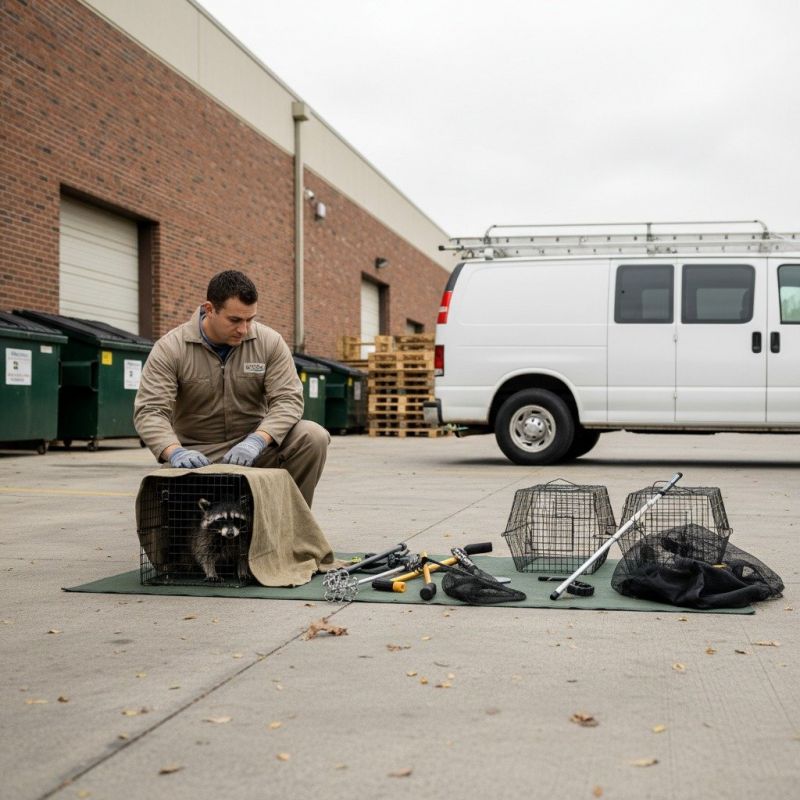
When evaluating service providers for handling common small animal problems in commercial and industrial properties, it is important to consider their experience with similar projects. Contractors who have a proven track record in small animal removal are more likely to understand the unique challenges posed by different property types and environments. Asking for details about their previous work can help determine if they have the practical knowledge needed to effectively address issues such as nesting, burrowing, or intrusion by small animals. Experience with comparable projects can provide confidence that the contractor knows how to approach the job efficiently and thoroughly.
Clear and detailed written expectations are essential when comparing local contractors for small animal removal services. A reputable service provider should be able to outline the scope of work, the methods they plan to use, and what the property owner can expect throughout the process. Having these expectations in writing helps ensure that everyone is on the same page and reduces the chances of misunderstandings or overlooked tasks. It also provides a reference point for accountability and helps property owners assess whether the proposed approach aligns with their needs.
Reputable references and good communication are key factors in selecting a reliable service provider. Contractors who can provide references from previous clients demonstrate their ability to deliver satisfactory results and maintain professional relationships. Good communication throughout the process-such as prompt responses to inquiries and clear explanations of procedures-can make the experience smoother and less stressful. When comparing local pros, it’s beneficial to seek out those who are transparent, responsive, and willing to answer questions, as this often indicates a commitment to quality service and customer satisfaction.
Property owners often search for common small animal problems in commercial and industrial properties when they are planning practical projects around their homes and businesses. Local pros provide Small Animal Removal services for everyday jobs and straightforward project options.
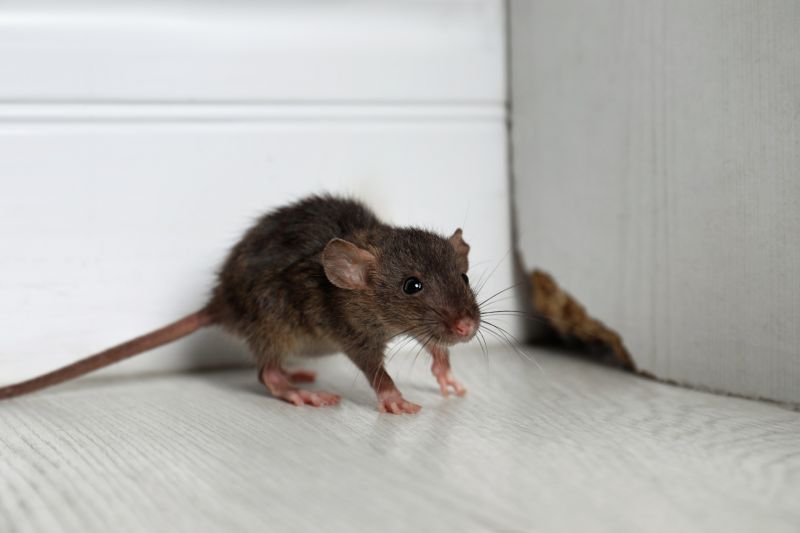
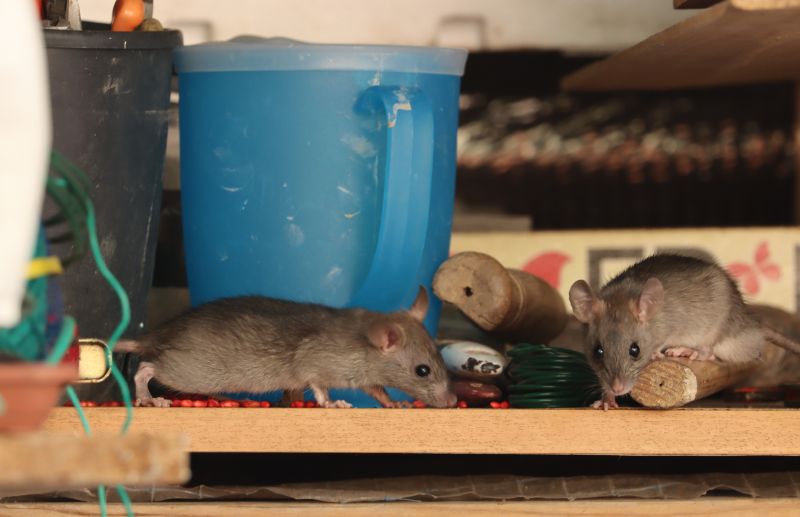
Small animals such as rodents, squirrels, and raccoons often find their way into commercial and industrial properties, leading to common small animal problems that can disrupt daily operations. These animals may enter through gaps in walls, vents, or roofing, creating potential damage to insulation, wiring, and structural components. Property owners might search for information on how to identify signs of infestations or prevent future issues, prompting them to consider small animal removal services offered by local contractors experienced in handling these situations safely and effectively.
In many cases, small animal problems in commercial and industrial settings are identified after noticing noises, droppings, or damage around the building. These issues can pose health risks or cause costly repairs if not addressed promptly. Property managers and owners often seek out local service providers who specialize in humane and efficient removal methods, ensuring that animals are safely relocated while minimizing further property damage. Connecting with experienced small animal removal professionals can help resolve these common issues quickly and prevent recurring problems.
What are common small animal problems in commercial and industrial properties? Common issues include rodents nesting in walls, birds roosting on ledges, and small mammals like squirrels or raccoons entering building attics or crawl spaces.
How can small animals impact a commercial or industrial property? Small animals can cause structural damage, contaminate food supplies, create noise disturbances, and pose health risks through droppings and parasites.
What signs indicate a small animal problem in a property? Signs include droppings, gnaw marks, scratching noises, nesting materials, and sightings of the animals themselves or their tracks around the premises.
Who can handle small animal removal in commercial buildings? Local contractors specializing in small animal removal can assess the situation, safely remove the animals, and help prevent future issues.
Are small animal problems in industrial properties difficult to resolve? They can be complex due to building layouts and access points, making professional removal services essential for effective and humane solutions.
Identifying entry points - property owners can inspect buildings regularly to spot small openings that animals might use to gain access, enabling local contractors to seal these areas promptly.
Implementing exclusion techniques - applying physical barriers around vents, pipes, and rooflines can prevent small animals from entering, with local pros providing effective installation services.
Managing attractants - removing food sources and clutter around commercial properties reduces the likelihood of animals settling in, making it easier for local service providers to address ongoing issues.
Monitoring and maintenance - establishing routine inspections helps detect early signs of small animal activity, allowing local contractors to perform timely removal and prevent larger problems.
If you are thinking about common small animal problems in commercial and industrial properties for a property, this guide is meant to help you understand this topic, the typical project types, and how different options might fit your plans.
When you are ready, you can use the quote form on this page to share a few details about your project. From there, local pros can review the basics and follow up with options that match what you have in mind.